
By ValueReviewHub Editorial · Sources checked October 13, 2026 · How we review
Gout is a type of inflammatory arthritis caused by too much uric acid in the blood, which can form sharp crystals in and around a joint. It usually strikes one joint at a time, most often the big toe, with sudden pain, swelling, redness and heat. Medicines can treat flares and lower uric acid over the long term, and changes to diet, alcohol and weight can help reduce the chance of future attacks.
Key takeaways
- Gout happens when excess uric acid forms crystals in a joint. The American College of Rheumatology (ACR) calls it the most common form of inflammatory arthritis.
- Flares come on suddenly and often affect the big toe. The NHS says an untreated attack usually lasts 1 to 2 weeks.
- Treatment has two parts: medicines to calm a flare, and, for many people, long-term urate-lowering medicine. The ACR recommends aiming for a blood urate level below 6 mg/dL.
- Official sources advise limiting alcohol, sugary drinks, red meat, organ meats and certain seafood.
- A hot, swollen joint with fever or feeling unwell needs urgent medical advice, as it could be an infection.
What is gout?
Uric acid (also called urate) is normally present in the blood, and the kidneys help remove it. Certain foods and drinks, including high-purine foods, can raise levels. When there is too much, the CDC explains, the extra uric acid can form crystals in a joint, leading to sudden, severe pain and swelling.
According to a 2020 ACR announcement, gout affects about 9.2 million adults in the United States. It is a different condition from osteoarthritis, the “wear and tear” type, and from rheumatoid arthritis. Our guide to osteoarthritis vs. rheumatoid arthritis explains those two.
The CDC describes gout as following a pattern:
- Flares: sudden episodes of symptoms that can last days or weeks.
- Remission: symptom-free stretches between flares.
- Progression without treatment: flares may become more frequent and last longer, and lumps called tophi can form.
The NHS notes that untreated gout can lead to joint damage, tophi (hard lumps under the skin, often on the ears, fingers or elbows) and kidney stones.
Symptoms and the joints it usually affects
Gout attacks tend to come on quickly. Typical signs, as described by the CDC and NHS, include:
- Sudden, severe pain in one joint
- Swelling
- Redness (which the NHS notes can be harder to see on black or brown skin)
- Heat over the joint
| Joint | How often it is involved |
|---|---|
| Big toe | The most common site, according to the CDC, NHS and ACR |
| Feet and ankles | Commonly affected, per the NHS |
| Knees | Can be affected |
| Hands and wrists | Can be affected |
| Elbows | Can be affected |
Other conditions, including joint infection, can look similar. That is one reason a proper diagnosis matters.

Risk factors and common triggers
Gout develops through a mix of genes, health conditions, medicines and lifestyle. The CDC and NHS list overlapping risk factors:
- Being male, with risk rising with age
- Family history of gout
- Being overweight or having obesity
- Drinking alcohol
- Having been through the menopause
- Taking diuretics (water pills) or certain blood pressure medicines, such as ACE inhibitors
- High blood pressure, high cholesterol, heart failure, insulin resistance, diabetes or kidney problems
- Previous joint surgery or injury
Some events can set off a flare in someone who already has gout. The NHS names these triggers:
| Possible trigger | Why it is worth knowing |
|---|---|
| Illness with a high temperature | Flares can follow being unwell |
| Drinking too much alcohol | Also a long-term risk factor |
| Eating a very large meal | Large meals are named as a trigger |
| Dehydration | The NHS advises drinking plenty of fluids unless told otherwise |
| Injuring a joint | Physical injury can set off an attack |
| Certain medicines | Ask your doctor before stopping any prescribed drug |
Do not stop a prescribed medicine on your own because of gout. For example, the ACR guideline conditionally recommends against stopping low-dose aspirin that a doctor has advised. Talk to your doctor about the balance of risks.
How gout is diagnosed
A doctor should confirm gout, because several joint problems can look alike. The CDC notes that diagnosis is ideally made during a flare. Depending on the situation, NIAMS, the CDC and the NHS describe these steps:
- Medical history: your symptoms, risk factors and medicines.
- Physical exam of the affected joints.
- Blood test to measure uric acid (urate) levels.
- Joint fluid test: a sample of fluid from the joint, a swollen bursa or a tophus is checked under a microscope for urate crystals.
- Imaging: X-rays, ultrasound or a special CT scan can look for crystal build-up and rule out other causes.
The NHS says that if the diagnosis is unclear, you may be referred to a rheumatologist, a doctor who specializes in joint and inflammatory conditions.
Treatment overview
Gout treatment works on two fronts: settling a flare quickly, and preventing future flares by lowering uric acid over time. The details, including which drug and dose, must come from your doctor. The summary below describes the drug classes named by NIAMS, the NHS and the ACR’s 2020 guideline.
| Goal | Medicine classes | Key points from official sources |
|---|---|---|
| Treat a flare | Anti-inflammatory drugs (NSAIDs), colchicine, corticosteroids (tablets or joint injection) | The ACR lists these as first-line options. NIAMS says colchicine works best when started as symptoms first appear. The NHS says prescribed treatment should start working within 2 days. |
| Lower uric acid long term | Xanthine oxidase inhibitors (such as allopurinol), uricosuric agents, uricase | The ACR strongly recommends allopurinol as the first-line choice. Uricase is generally for people who have not responded to other drugs. |
| Prevent flares when starting urate-lowering therapy | Colchicine, an NSAID or prednisone/prednisolone | The ACR recommends this cover for at least 3 to 6 months, with ongoing review if flares continue. |
Who needs long-term urate-lowering medicine?
According to the Arthritis Foundation’s summary of the ACR guideline, urate-lowering therapy is strongly recommended for people with:
- Tophi
- Joint damage from gout seen on X-ray
- Two or more flares a year
The NHS similarly suggests it for people with frequent attacks or high uric acid levels, and stresses taking it regularly, even when you have no symptoms.
Treating to a target
The ACR strongly recommends a “treat-to-target” approach. Your doctor starts with a low dose and adjusts it until your blood urate level is below 6 mg/dL, rather than leaving you on a fixed dose.
Self-care during a flare
- Take prescribed medicine as soon as possible.
- Rest and raise the affected limb.
- Apply an ice pack wrapped in a towel. The NHS suggests up to 20 minutes at a time.
- Avoid putting pressure on the joint.
- Drink plenty of water, unless your doctor has told you otherwise.
Diet and gout: what to limit and what to choose
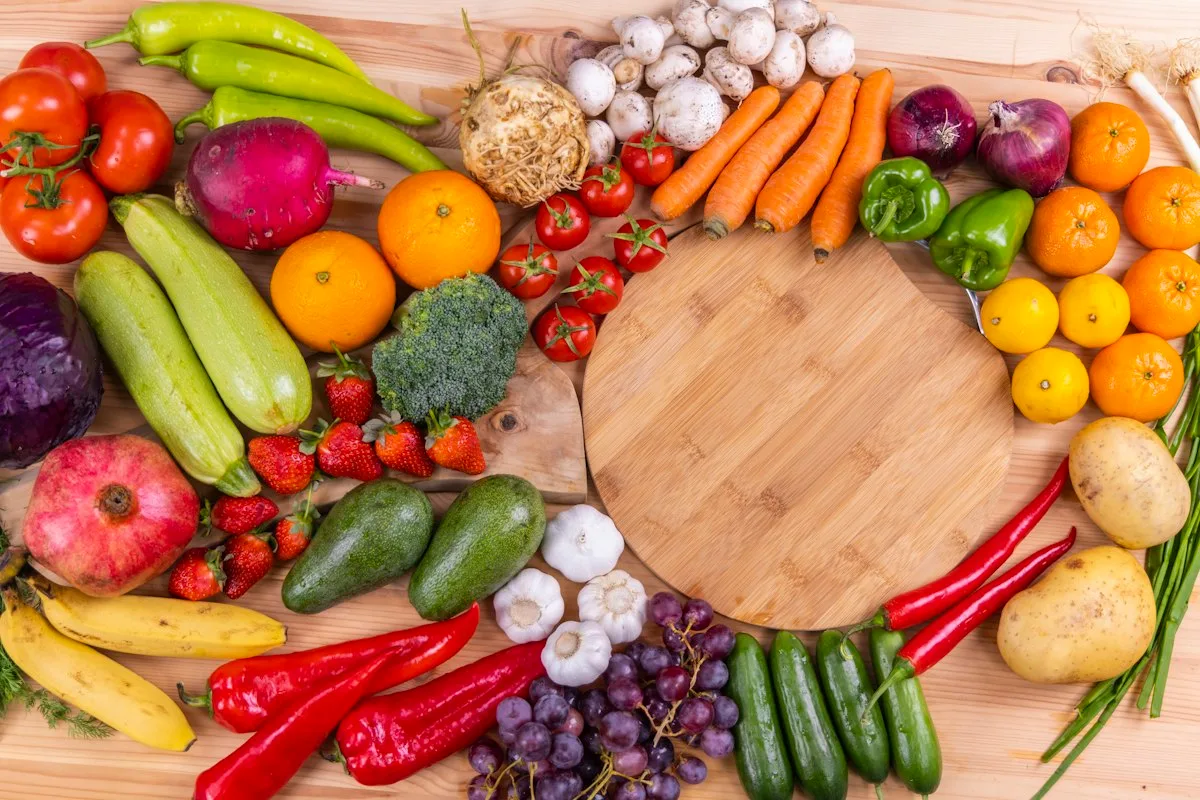
Diet alone usually cannot control gout. NIAMS points out that people with frequent flares or tophi need urate-lowering medicine as well. Still, food and drink choices can affect uric acid levels and flare risk. The ACR guideline conditionally recommends limiting alcohol, purine-rich foods and high-fructose corn syrup.
Foods and drinks to limit
| Food or drink | What official sources say |
|---|---|
| Alcohol | NIAMS advises drinking less, including nonalcoholic beer. The CDC says to limit alcohol, especially beer and hard liquor. The NHS suggests some alcohol-free days and no more than 14 units a week. |
| Sugary drinks and foods | NIAMS advises avoiding sugar-sweetened drinks such as soda. The CDC and NHS also advise limiting sugary drinks and snacks. |
| High-fructose corn syrup | Named by the CDC and ACR; the Arthritis Foundation suggests checking labels on drinks, baked goods, cereals and fast food. |
| Red meat | NIAMS and the CDC advise limiting or avoiding red meat. |
| Organ meats | Liver, kidney, tongue and sweetbreads are named by NIAMS. |
| Certain seafood | NIAMS names shellfish, sardines and anchovies; the CDC also lists mussels, scallops, trout and tuna. The Arthritis Foundation notes the benefits of moderate fish intake are thought to outweigh potential harm. |
| Fruit juice | The Arthritis Foundation says 100% fruit juice may raise uric acid. |
Foods and patterns to choose
NIAMS suggests following the DASH eating pattern. The Arthritis Foundation adds several gout-specific notes.
| Choose more often | Source and notes |
|---|---|
| Vegetables | NIAMS (DASH). The Arthritis Foundation says higher-purine vegetables such as asparagus and spinach do not appear to increase gout risk. |
| Fruits | NIAMS (DASH). The Arthritis Foundation lists cherries as a helpful choice. |
| Whole grains | NIAMS (DASH) and the Arthritis Foundation |
| Low-fat dairy, especially yogurt | NIAMS (DASH) and the Arthritis Foundation |
| Poultry and some fish, such as salmon | NIAMS lists poultry; the Arthritis Foundation lists lean chicken and salmon. |
| Healthy oils, nuts and legumes | NIAMS (healthy oils); the Arthritis Foundation lists olive oil, nuts, beans and lentils. |
| Coffee in moderation | The Arthritis Foundation says moderate amounts of caffeinated coffee may lower gout risk. |
| Water and other fluids | The NHS advises drinking plenty of fluids. |
A note on vitamin C supplements
Advice here is mixed. The 2020 ACR guideline conditionally recommends against taking vitamin C supplements for gout, while the NHS suggests asking your GP about them. Speak with your doctor rather than starting one on your own.
Weight and activity
NIAMS advises people who are overweight to lose weight through a lower-calorie diet and more exercise, and the ACR conditionally recommends a weight-loss program in that situation. The NHS cautions against crash diets. The CDC suggests at least 150 minutes a week of moderate-intensity activity, while the NHS advises avoiding intense exercise and heavy pressure on joints. Our guide to exercises for joint pain and arthritis shows how to build up safely, and how to lose weight safely covers gradual weight loss.
When to see a doctor
Gout is very treatable, but it needs a proper diagnosis and plan. The NHS advises seeing a GP if:
- You have symptoms of gout for the first time.
- Your usual treatment is not helping.
Get urgent help if you have sudden joint pain and swelling along with any of the following, as the NHS says these may be signs of a joint infection:
- Pain that keeps getting worse
- A very high temperature, or feeling hot, cold or shivery
- Feeling sick or being unable to eat
Also talk to your doctor if flares are becoming more frequent, if you notice lumps under the skin, or if you have kidney problems.
Frequently asked questions
Can gout be cured?
Gout can keep coming back, but it can be controlled. Lowering uric acid with medicine, often combined with lifestyle changes, aims to stop flares and prevent tophi and joint damage. The NHS stresses taking urate-lowering medicine regularly, even when you feel well.
Can diet alone control gout?
Not for everyone. NIAMS says that people with frequent flares or tophi need urate-lowering medicine in addition to lifestyle changes. Diet is a helpful support, not a replacement for treatment.
Is beer worse than wine for gout?
The CDC advises limiting alcohol, especially beer and hard liquor, and NIAMS includes nonalcoholic beer in its advice to drink less. The Arthritis Foundation describes wine in moderation as acceptable. Ask your doctor what is sensible for you.
How long does a gout attack last?
The NHS says an untreated attack usually lasts 1 to 2 weeks, while the CDC describes flares lasting days or weeks. Prompt treatment can shorten them; prescribed medicine should start working within 2 days, according to the NHS.
Are cherries good for gout?
The Arthritis Foundation includes cherries among helpful foods and notes that cherry juice is an exception among fruit juices. Cherries are not a substitute for medical treatment.
Should I exercise with gout?
Between flares, regular moderate activity is encouraged by the CDC. During a flare, rest and raise the joint and avoid putting pressure on it, as the NHS advises.
Related reading
- Exercises for joint pain and arthritis
- Osteoarthritis vs. rheumatoid arthritis
- Knee osteoarthritis: what actually helps
- How to lose weight safely
- Omega-3 for joint pain
Sources
- NIAMS: Gout: Diagnosis, Treatment, and Steps to Take
- CDC: Gout
- NHS: Gout
- NHS: Gout causes
- NHS: Gout treatment
- American College of Rheumatology: ACR releases gout management guideline with emphasis on treat-to-target strategy
- Arthritis Foundation: Gout treatment guidelines
- Arthritis Foundation: Gout Diet Cheat Sheet
This article is for general information and is not medical advice. Talk to a doctor, dentist or pharmacist before making major changes to your diet, activity, oral care or medication, especially if you have a health condition, are pregnant, or take prescription medicines.