
By ValueReviewHub Editorial · Sources checked October 13, 2026 · How we review
Dietary fiber helps with blood sugar because your body does not break it down into glucose, and soluble fiber in particular slows digestion so sugar enters the bloodstream more gradually. It also keeps you full for longer, which can support weight management. Most adults eat far less than recommended, and raising intake slowly, mainly from whole foods, is one of the simplest, best-supported diet changes you can make.
Key takeaways
- Soluble fiber forms a gel that slows digestion; insoluble fiber adds bulk and keeps bowels regular. Both are useful.
- US guidelines recommend 14 grams of fiber per 1,000 calories; the NHS recommends 30 grams a day for adults.
- A 2020 review of 42 trials in people with diabetes or prediabetes linked higher fiber intake to modest falls in HbA1c, fasting glucose and body weight.
- Beans, lentils, whole grains, vegetables, fruit, nuts and seeds are the best everyday sources.
- Increase fiber gradually and drink plenty of fluids. Check with a doctor or pharmacist before using psyllium if you take medicines.
How fiber affects blood sugar and weight
Fiber is the part of plant foods that your body cannot digest. Because it is not broken down and absorbed like sugars and starches, the CDC explains that it does not cause the blood sugar rise that other carbohydrates can.
Fiber helps in several ways:
- Slower digestion: Soluble fiber forms a gel in the stomach, which slows how quickly food is digested. This helps steady blood sugar and can help lower cholesterol.
- Insulin sensitivity: The CDC notes that insoluble fiber may help improve how well the body responds to insulin.
- Fullness: Fiber moves slowly through the stomach, helping you feel full longer, which can support losing or maintaining weight.
- Lower-GI meals: More fiber in a food generally lowers its glycemic index. Our guide to the glycemic index and glycemic load explains why.
The NHS adds that eating plenty of fiber is associated with a lower risk of heart disease, stroke, type 2 diabetes and bowel cancer.
Soluble vs insoluble fiber
Most plant foods contain a mix of both types. You do not need to track them separately, but knowing the difference helps you understand what each does.
| Feature | Soluble fiber | Insoluble fiber |
|---|---|---|
| What it does in water | Attracts water and forms a gel | Does not dissolve; stays mostly intact |
| Main effect | Slows digestion; helps steady blood sugar and lower cholesterol | Adds bulk to stool and helps food move through the gut |
| Blood sugar link | Slows the rise in glucose after meals | May help insulin sensitivity |
| Good sources | Oats, oat bran, barley, beans, lentils, peas, apples, bananas, avocados, psyllium | Whole wheat flour, wheat bran, whole grains, nuts, seeds, skins of fruits and vegetables |
Sources: MedlinePlus and CDC descriptions of each fiber type.
How much fiber do you need each day?
Recommendations differ slightly by country, but they all point in the same direction: most people should eat more.
| Guideline | Recommendation |
|---|---|
| Dietary Guidelines for Americans 2020–2025 (age 2+) | 14 g per 1,000 calories eaten |
| Dietary Guidelines range for adults (CDC summary) | About 22 to 34 g a day, depending on age and sex |
| FDA Daily Value on US food labels | 28 g a day |
| NHS (UK), adults | 30 g a day |
| NHS, children aged 2 to 5 | About 15 g a day |
| NHS, children aged 5 to 11 | About 20 g a day |
| NHS, children aged 11 to 16 | About 25 g a day |
Actual intake falls well short. The CDC says most US adults get about half the fiber they need. In the UK, the NHS reports that adults average about 20 grams a day. A preliminary analysis of US national survey data presented by the American Society for Nutrition found that only about 7% of adults met the 14 g per 1,000 calories target (5% of men and 9% of women).
On a US food label, the FDA treats 5% of the Daily Value or less per serving as low and 20% or more as high. The NHS says foods with 6 grams or more of fiber per 100 grams count as high fiber.
Fiber content of common foods
The figures below come from the Dietary Guidelines for Americans food-source list, which draws on USDA FoodData Central. Portions are standard reference amounts, not recommended serving sizes.
| Food | Portion | Fiber (g) | Calories |
|---|---|---|---|
| Navy beans, cooked | 1/2 cup | 9.6 | 128 |
| Split peas, cooked | 1/2 cup | 8.2 | 116 |
| Lentils, cooked | 1/2 cup | 7.8 | 115 |
| Black beans, cooked | 1/2 cup | 7.5 | 114 |
| Chickpeas, cooked | 1/2 cup | 6.3 | 135 |
| Kidney beans, cooked | 1/2 cup | 5.7 | 113 |
| Green peas, cooked | 1 cup | 8.8 | 134 |
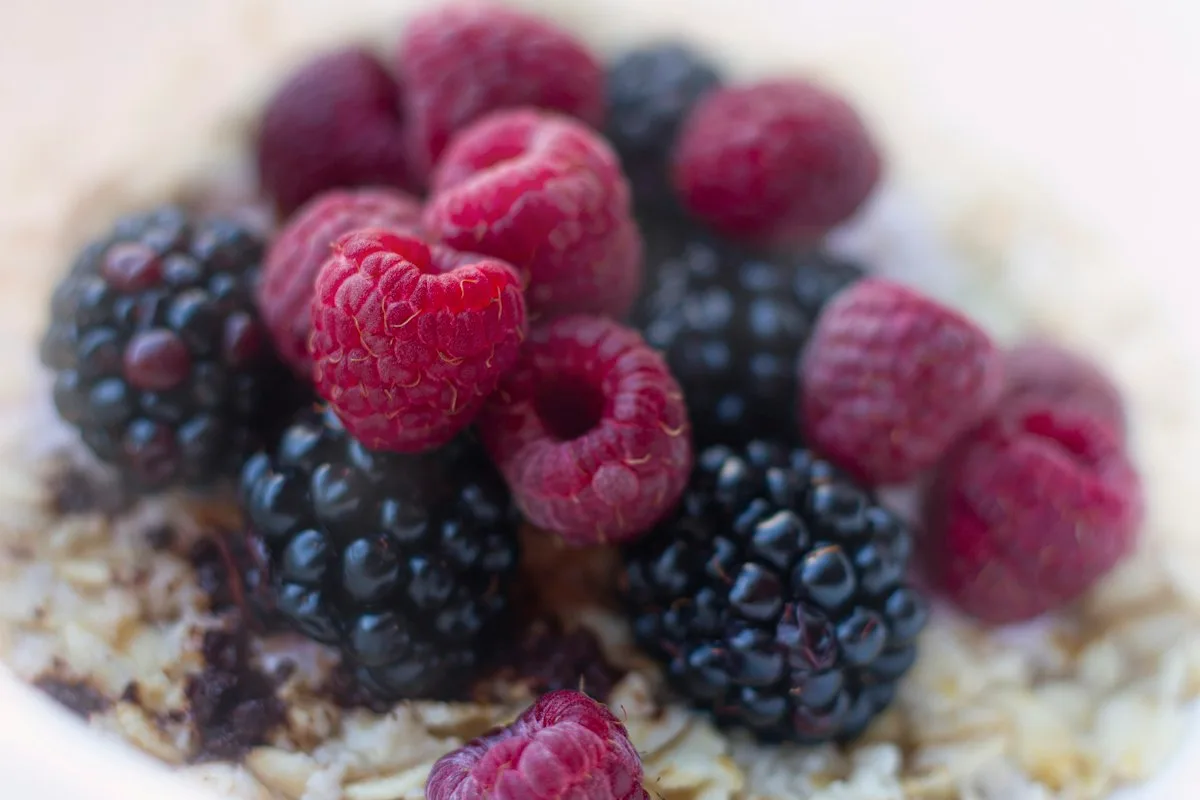
| Raspberries | 1 cup | 8.0 | 64 |
| Sweet potato, cooked | 1 cup | 6.3 | 190 |
| Pear | 1 medium | 5.5 | 103 |
| Broccoli, cooked | 1 cup | 5.2 | 54 |
| Apple, with skin | 1 medium | 4.8 | 104 |
| Bulgur, cooked | 1/2 cup | 4.1 | 76 |
| Chia seeds | 1 tablespoon | 4.1 | 58 |
| Orange | 1 medium | 3.7 | 73 |
| Almonds | 1 ounce | 3.5 | 164 |
| Banana | 1 medium | 3.2 | 112 |
| Barley, pearled, cooked | 1/2 cup | 3.0 | 97 |
| Chapati or roti, whole wheat | 1 ounce | 2.8 | 85 |
Legumes stand out: half a cup of cooked lentils (as in a bowl of dal) or beans provides roughly 6 to 10 grams, about a fifth to a third of the 28 g Daily Value. Fruit eaten with the skin, vegetables and whole grains add steady amounts throughout the day.
What the evidence says about fiber and blood sugar
The most comprehensive recent review is a 2020 set of systematic reviews and meta-analyses in PLOS Medicine by Reynolds and colleagues. It combined 42 controlled trials involving 1,789 adults with prediabetes, type 1 or type 2 diabetes.
Compared with lower-fiber diets, higher-fiber diets were linked to:
- HbA1c about 2 mmol/mol lower
- Fasting blood glucose about 0.56 mmol/L lower
- Body weight about 0.56 kg lower
- LDL cholesterol about 0.17 mmol/L lower
The authors suggested that increasing fiber by 15 grams a day, or to 35 grams a day, “might be a reasonable target” for adults with diabetes. Benefits were not limited to one type of fiber.
These results need context. The effects are modest, the trials varied a great deal, and few lasted 12 months or longer. The review also found that higher fiber intake was associated with lower risk of early death in two large cohort studies, but those were observational and cannot prove cause and effect.
In practical terms, fiber is a helpful part of managing blood sugar alongside other habits, such as those in our guides to exercise and blood sugar and the diabetes plate method. It is not a replacement for prescribed treatment.
How to increase fiber gradually
Adding a lot of fiber suddenly can cause gas, bloating, cramps, constipation or diarrhea. Mayo Clinic suggests increasing intake gradually over a few weeks, and both Mayo Clinic and the CDC advise drinking plenty of fluids.
A simple step-by-step approach:
- Start with breakfast. Switch to porridge, a plain wholegrain cereal or oats topped with fruit, nuts or seeds.
- Swap your grains. Choose brown rice, wholewheat pasta, bulgur, barley or whole wheat roti. For bread, the CDC suggests checking that whole grain flour is the first ingredient.
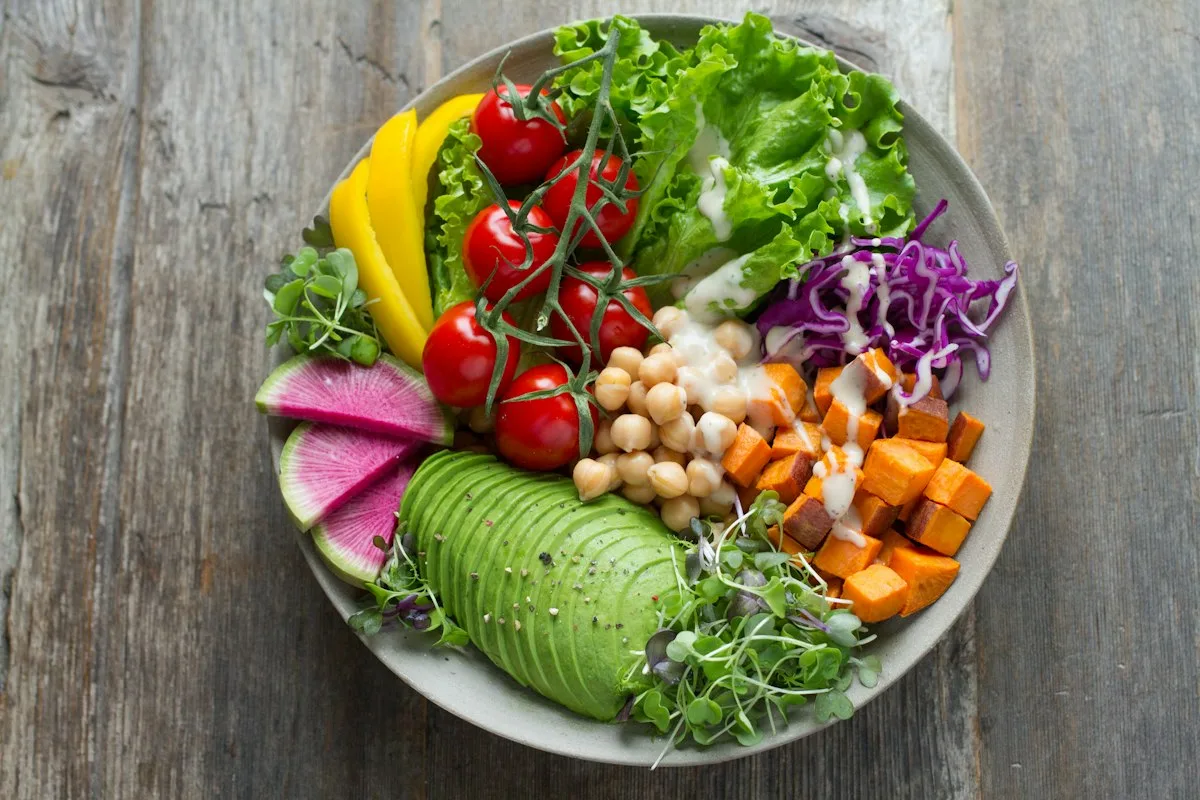
- Add a pulse a day. Stir lentils, beans or chickpeas into curries, soups, stews and salads.
- Keep skins on. Eat potatoes, apples and pears with their skins where practical.
- Add more vegetables. Start dinner with a salad or add spinach, broccoli or frozen vegetables to meals.
- Snack smarter. Choose fruit, vegetable sticks, unsalted nuts or seeds instead of refined snacks.
- Drink water with meals and give your gut time to adjust before adding more.
The NHS shows how quickly this adds up. Two slices of wholemeal toast with peanut butter and a medium orange provide about 8.3 grams. Wholemeal spaghetti with a lentil and tomato sauce provides about 11 grams. It also recommends eating a variety of fiber sources rather than relying on one food.
Fiber supplements: psyllium and cautions
Whole foods should come first, because they also supply vitamins, minerals and other nutrients. Some people still use supplements, and psyllium is the most common. MedlinePlus lists it as a source of soluble fiber.
What the research shows
A 2015 meta-analysis in the American Journal of Clinical Nutrition pooled 35 randomized trials. In people with type 2 diabetes, psyllium taken before meals lowered fasting blood glucose by about 37 mg/dL and HbA1c by about 0.97 percentage points, with only a modest improvement in people with prediabetes. Bear in mind that the paper was led by scientists at Procter & Gamble along with Duke University researchers, and that it pooled studies of varying design.
Safety and medication timing
MedlinePlus, the US National Library of Medicine’s drug information service, gives these precautions for psyllium:
| Precaution | What it means |
|---|---|
| Take with enough liquid | Drink at least 8 ounces (240 ml) of liquid with each dose; mix powder in a full glass right before use |
| Separate some medicines | Do not take digoxin, aspirin (salicylates) or nitrofurantoin within 3 hours of psyllium |
| Talk to a doctor first | If you have diabetes, heart or kidney disease, high blood pressure, intestinal blockage, rectal bleeding or difficulty swallowing, or are pregnant or breastfeeding |
| Short-term laxative use | Do not use as a laxative for longer than 1 week unless a doctor advises it |
| Avoid inhaling powder | Breathing in the powder can cause allergic reactions |
| Get help urgently | Call a doctor right away for difficulty breathing, difficulty swallowing, stomach pain, rash, itching, nausea or vomiting |
If you have diabetes or take any other medicines or supplements, MedlinePlus advises talking to your doctor and pharmacist before starting psyllium. For a wider look at blood sugar supplements, see our guide on how to choose a blood sugar supplement.
When to see a doctor
See a doctor if you notice a lasting change in bowel habits, blood in your stool, unexplained weight loss, or ongoing stomach pain or bloating after increasing fiber. Also talk to your care team before major diet changes if you take insulin or medicines that can lower blood sugar, or if you have a bowel condition or difficulty swallowing.
Frequently asked questions
Does fiber count as a carbohydrate?
Yes, fiber is a type of carbohydrate, but the body does not break it down into glucose. That is why the CDC says it does not cause the blood sugar spike other carbohydrates can.
Which type of fiber is best for blood sugar?
Soluble fiber slows digestion and the rise in glucose, but the 2020 PLOS Medicine review found benefits were not limited to one fiber type. Eating a variety of high-fiber foods is the practical answer.
Can fiber help with weight loss?
It can help. Fiber keeps you fuller for longer, and the 2020 review found a small average drop in body weight of about half a kilogram with higher-fiber diets. It works best as part of an overall healthy eating pattern.
Is it better to get fiber from food or supplements?
Food is the better starting point because it provides other nutrients too. A supplement such as psyllium may help some people, but check with a doctor or pharmacist first, especially if you take medicines.
Why do I feel bloated after eating more fiber?
Increasing fiber too quickly can cause gas and bloating. Slow down, add fiber over a few weeks and drink plenty of fluids.
Related reading
- Glycemic index vs glycemic load explained
- How to lower blood sugar naturally
- The diabetes plate method
- Prediabetes guide
- How to lose weight safely
Sources
- CDC: Fiber: The Carb That Helps You Manage Diabetes
- MedlinePlus: Soluble vs. insoluble fiber
- NHS: How to get more fibre into your diet
- Mayo Clinic: Chart of high-fiber foods
- FDA: Daily Value on the Nutrition and Supplement Facts Labels
- DietaryGuidelines.gov: Food Sources of Dietary Fiber
- American Society for Nutrition: Just 7% of adults meet fiber recommendations
- PLOS Medicine (PMC): Dietary fibre and whole grains in diabetes management: Systematic review and meta-analyses
- Duke Scholars: Psyllium fiber improves glycemic control proportional to loss of glycemic control (Am J Clin Nutr, 2015)
- NutraIngredients: P&G meta-analyses support psyllium fiber’s blood sugar management potential
- MedlinePlus: Psyllium
- Harvard Health: The lowdown on glycemic index and glycemic load
This article is for general information and is not medical advice. Talk to a doctor, dentist or pharmacist before making major changes to your diet, activity, oral care or medication, especially if you have a health condition, are pregnant, or take prescription medicines.