
By ValueReviewHub Editorial · Sources checked October 1, 2026 · How we review
Ashwagandha (Withania somnifera) has moved from Ayurvedic tradition to the top of men’s supplement lists, promoted for stress, sleep, testosterone and gym performance. Unlike many herbs in that category, it has a reasonable number of randomized trials behind it. The catch is that the trials are small and use different extracts, and there are safety issues, including rare liver injury, that marketing rarely mentions. Here is what the National Center for Complementary and Integrative Health (NCCIH) and the trials show.
Key takeaways
- NCCIH: some ashwagandha preparations may help with stress and insomnia; evidence for anxiety is unclear.
- Limited evidence suggests 2 to 4 months of ashwagandha may raise testosterone and improve sperm quality in men, but trials are small and results are not consistent.
- It appears safe for short-term use of up to 3 months. Long-term safety is unknown, and rare cases of liver injury have been reported.
- Avoid it in pregnancy, before surgery, with thyroid or autoimmune disease, and with hormone-sensitive prostate cancer.
What is ashwagandha?
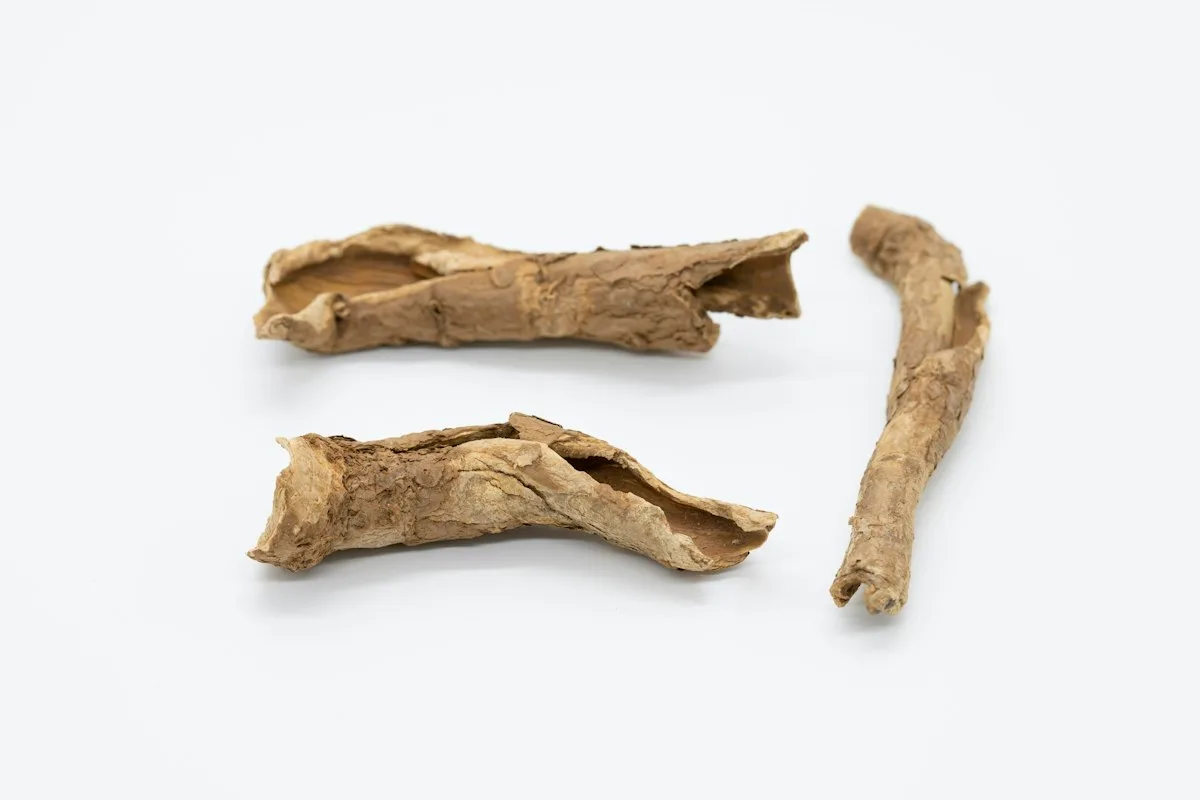
Ashwagandha is an evergreen shrub used for thousands of years in Ayurvedic medicine, sometimes called Indian ginseng. Its root (and sometimes leaf) extracts contain compounds called withanolides. Products vary a lot: some are standardized root extracts tested in trials, others are generic powders with no stated withanolide content. That variation is one reason study results are hard to compare.
What the research shows
| Claimed benefit | Evidence summary |
|---|---|
| Stress | Some preparations may be effective, according to NCCIH. One 60-day randomized trial of 60 stressed adults found a 240 mg standardized extract reduced anxiety-scale scores and morning cortisol versus placebo. |
| Sleep / insomnia | Some evidence of benefit (NCCIH) |
| Anxiety disorders | Evidence unclear |
| Testosterone and male fertility | Limited evidence that 2–4 months of use may increase testosterone and sperm quality. In the 60-day stress trial, testosterone rose in men over time but the change was not significant compared with placebo. |
| Athletic performance, memory, diabetes | Insufficient evidence (NCCIH) |
NCCIH’s overall caution is that many trials exist, but they are small and use inconsistent preparations, which limits firm conclusions. For context on how weak most “testosterone booster” evidence is, see our review of what a study of 50 boosters found.
Safety and side effects
- Duration: appears safe for up to about 3 months. Long-term safety has not been established.
- Common side effects: drowsiness, stomach upset, diarrhea and vomiting.
- Liver: rare cases of liver injury have been reported. Stop and seek care if you notice dark urine, abdominal pain, unusual fatigue or yellowing of the skin or eyes.
- Pregnancy and breastfeeding: avoid.
- Thyroid and autoimmune conditions: not recommended. Ashwagandha may affect thyroid hormone levels and immune activity.
- Surgery: stop well before any operation because of its sedative effects.
- Prostate cancer: men with hormone-sensitive prostate cancer should avoid it.
- Interactions: may interact with diabetes medicines, blood pressure medicines, immunosuppressants, sedatives, anticonvulsants and thyroid medicines.

How to choose a product
- Look for a root extract with a stated withanolide percentage, ideally a named extract that has been used in trials.
- Check the dose per capsule. Trial doses are typically a few hundred milligrams of standardized extract per day, not several grams of raw powder.
- Prefer products with independent quality testing; herbal supplements have had problems with contamination and mislabeling.
- Avoid blends that hide ashwagandha in a proprietary mix with stimulants or high-dose vitamins.
- Plan a trial period of 8 to 12 weeks with a clear goal, such as sleep or stress, and stop if you see no benefit.
Who it may suit, and who should skip it
May be reasonable for healthy adult men with everyday stress or poor sleep who want to try a short course and have checked with a pharmacist about their medicines. Skip it if you are pregnant or breastfeeding, have thyroid, liver or autoimmune disease, have prostate cancer, are due for surgery, or take any of the medicines listed above.
FAQ
Does ashwagandha increase testosterone?
There is limited evidence of a modest increase after 2 to 4 months in some trials, with inconsistent results. It is not a treatment for low testosterone, which needs a medical evaluation.
How long does ashwagandha take to work?
Trials for stress and sleep typically run 6 to 12 weeks. Expect weeks, not days.
Can I take ashwagandha every day?
Short-term daily use for up to about 3 months appears safe for most healthy adults. Longer use has not been studied well.
Related reading
- Do testosterone boosters work?
- Zinc for men
- Enlarged prostate (BPH) guide
- Male enhancement supplements: FDA warnings
Sources
- NCCIH: Ashwagandha
- Lopresti AL, et al. An investigation into the stress-relieving and pharmacological actions of an ashwagandha (Withania somnifera) extract: A randomized, double-blind, placebo-controlled study. Medicine (Baltimore). 2019;98(37):e17186 (PMID 31517876)
- FDA 101: Dietary Supplements
Medical note: This article is general education, not medical advice. Talk to your doctor or pharmacist before starting a supplement, especially if you take medication, are pregnant or breastfeeding, or have a health condition. Read our medical disclaimer.